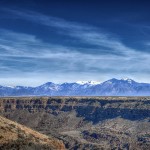
 The air, the adobe, the soaring mountain vistas and the rich culture of Taos valley in the high Sangre de Christo mountains of New Mexico have been home to eleven generations of the Rodriguez family. At this point in the family’s evolution as Taoseños and as human beings, a matriarch of the 10th generation – Anita Rodriguez – is distinguishing herself as a brilliantly heartfelt, technically adept artist with a compelling, curative vision.
In consideration of her substantive portfolio of work, art critic Rick Romancito wrote: “If artists are the antennae of the culture, quivering precognitively in response to paradigm shifts before the rest of us are aware, then I’m heartened by Anita Rodríguez’s change of palette…” Me, too.
With this blog post it is my pleasure to publicly admire and to introduce the work of Anita Rodriquez to a wider audience. I encourage you to watch the short video embedded below, and to visit her website to appreciate the range of creative expression she has brought forth from her soul through her talented hands. In the video, Anita tells the story of Nuestra Señora de los Remedios, and guides a powerfully healing exploration of the painting. It’s a tonic for the soul.
https://youtu.be/F7cBCF57fEk
A prodigy not just at the easel and the word processor, Anita is also possessed of kitchen genius. That genius will be revealed in her forthcoming cookbook, Coyota in the Kitchen: A memoir of New and Old Mexico with Recipes. Technically, it’s a cookbook with recipes of the traditional foods that are part of the cuisine of Northern New Mexico. But the book also tells the wild and uproarious stories that surround the food, and at the same time will offer a visual feast of Anita’s artwork created especially for the book.
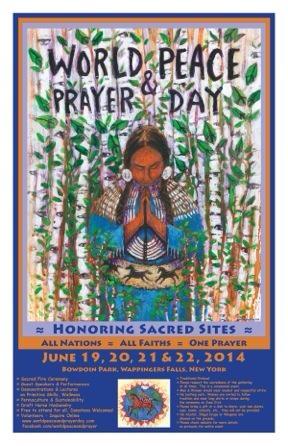

 Right now a small band of women from the Ojibwe native nation is
 The wind spiked out over Cape Cod Bay, frothing the blackened waters into angry, spitting caps. A great, bitter wind was upon the land and the sea. Still, the people came. In the face of icy needles cast by the unrelenting gale, 40 people broke from their cars into a wild, scattered search for a place with a scrap of windbreak. They needed protection, for they had arrived to light a sacred fire at First Encounter Beach, just five years before the Millennium.

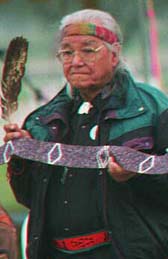
 A belt of beads is the traditional Algonquin device employed to record the solemn and binding agreement they entered into in 1793 with the US and Great Britain. This was a time when the newly formed government of the United States was defining its corporate existence upon Turtle Island and the Canadian nation did not yet exist. Native nations were full and equal partners to the treaty, with the same standing as the United States and Great Britain. But the Algonquins did not use black marks upon paper to keep important records; they used beads woven into beautiful, long-lasting belts.
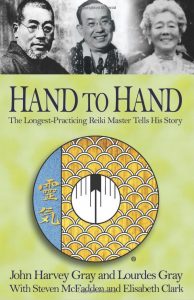 “This long-awaited book by one of the original Reiki masters is a skillful blend of Reiki theory and method, as well as history… a valuable contribution to the study of Reiki in the west and belongs in the library of every student of the healing arts.” – Sacred Pathways

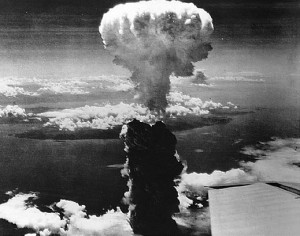 The fire that was ignited 57 years ago on August 6, 1945 when the Enola Gay dropped the first atomic bomb on Hiroshima, Japan, was ceremonially extinguished by a band of pilgrims May 27, 2002 at Big Mountain on Black Mesa in Arizona, in a high desert range sweet with the smell of sagebrush.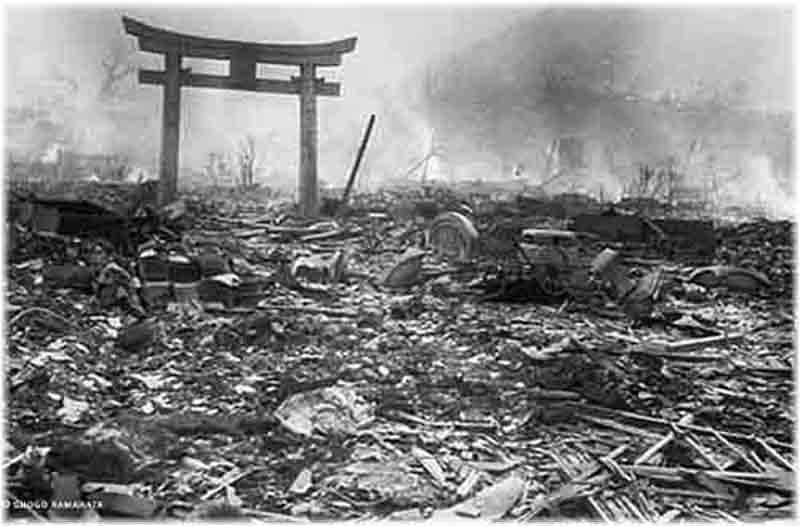


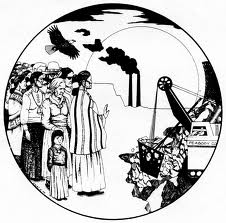 The assault on the material resources of Black Mesa continues. Peabody Coal Co. is planning on expanding operations by opening a new mine, which will ultimately infringe upon Big Mountain itself.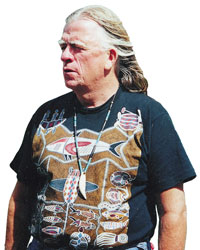
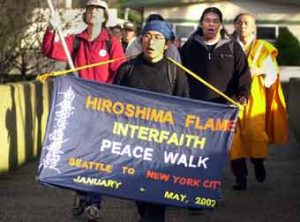 The Hiroshima Flame Interfaith Pilgrimage had its origins in the year 2000 under the inspiration of Tom Dostou while he was in Japan. At that time he was entrusted with a spark of the Hiroshima Flame (the source flame remains burning in Japan). Tom conceived the vision of returning the flame to where it had come from — not as a protest, but as a necessary deed of spiritual redemption, because not only the people of Hiroshima had died, but also many native peoples were poisoned by the uranium dug up, without spiritual permission, on their lands.

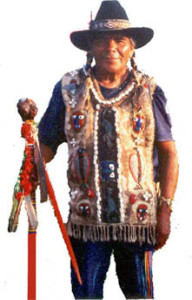 An elder of the Yaqui Indian Nation, and a Nahual (man of power), Cachora has remained a mystery figure for decades. But now he is coming forward from his homeland in the Sonoran Desert of Mexico into the public realm. It is time for this, he says. Chachora says says he is the real man who is portrayed as the enigmatic shaman don Juan in the series of books by Carlos Castaneda: Journey to Ixtlan; The Teachings of Don Juan; and so forth.