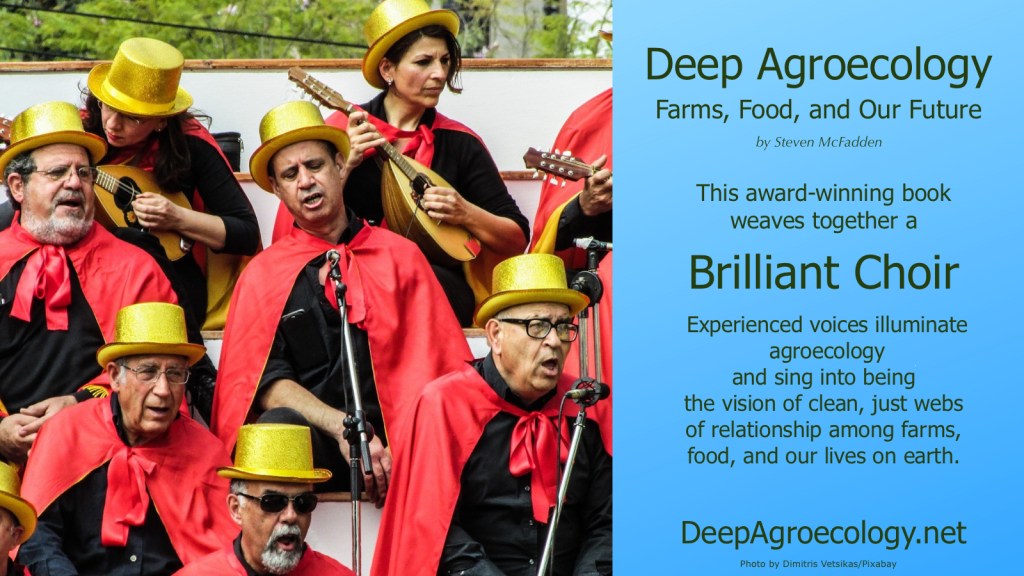
As the pace of world transition intensifies, I’m moved to once again articulate in direct language my understanding of the vision held by millions of people around the world: the vision of agroecology.
Thus, I offer below a two-minute slide show with words and images characterizing some basic elements of the agroecological vision, and also offering a glimpse at how deep agroecology embraces the vision, then endeavors to explore further into positive possibilities.
Note: The slides are set at 7-second intervals. You can start and stop the presentation by using the slide at the bottom.





 Thanks to the enterprise and good graces of the New Mexico Book Association (
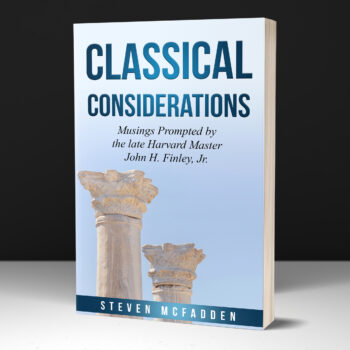
 My book
  One fundamental understanding of agroecology in general and deep agroecology in particular is that being directly in touch with the earth promotes good physical, mental, and spiritual health for people, animals, plants, and the whole. There’s nothing artificial about that earth-based quality of intelligence, qualities naturally intrinsic to full health.

 The phrase main chance generally refers to the most advantageous prospect available, the opportunity for the greatest progress or gain in any given set of circumstances. I use the phrase now in regard to our tempestuous environmental, climatological, social, and spiritual circumstances.




 m
m



 At that time my office window had a direct view of the Nebraska State Capitol, a 400-foot tall building graced at the top with an iconic image of
  Where was a statue depicting The Huskers: the people who husked, or harvested, the crops rising from the seeds?
 “A monument like that would bring honest pride, dignity, and joy for all Nebraskans (and visitors) as they might walk among the sculptured people and their giant sculptural corn field. The two monuments (Sower and Huskers) would tell children and adults in a glance the story of the plains and the grains and the people. Such an epic sculpture of The Huskers would express the heart of the state, and thus would be ICONIC indeed.


 As it happens there’s a great debate underway about that system—about the people, values, politics, and profits that influence our farms, our people in the fields and packing houses, our farm animals, and ultimately our food and our health. That debate will reach a crescendo this coming October at the UN’s global